











 New
New




Dubai Life: Car, Metro Or Taxi?
Dubai is a city that looks easy to understand from the outside. Visitors often see the skyline, the beaches, the malls, the hotels and the restaurants first. After a few days, another part of the city becomes clear. Moving around Dubai is a big part of the experience.
The city is large, modern and spread across different areas. Life in Dubai can mean working in Business Bay, living in Jumeirah Village Circle, meeting friends in Dubai Marina, shopping in Downtown, visiting family in Deira or spending the weekend near Palm Jumeirah. These places are all part of the same city, but the way people move between them changes the way they live.
That is why the question is still important for residents and newcomers. Is it better to use the Metro, take taxis or own a car?
The answer depends on lifestyle, budget, work location and how often someone needs to move across the city.
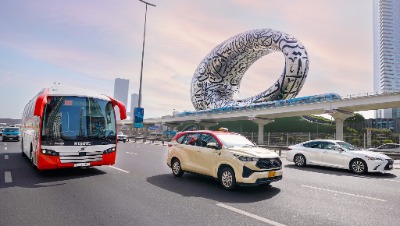
Dubai Metro is one of the most useful parts of the city for many residents, tourists and workers. It connects important business, shopping and residential areas, and it can be a practical choice for people who live and work near a station.
For someone staying close to areas served by the Metro, daily life can be simple. It can help avoid traffic, reduce transport costs and make commuting more predictable. Many people use it for work, mall visits, airport trips and short movements across central parts of the city.
The Metro works best when both the starting point and destination are close to stations. That is where it becomes convenient. The challenge starts when someone lives in a community that is far from a station or works in an area that requires another ride after the Metro. In that case, the journey can become longer than expected.
Dubai is not only Downtown and Marina. Many residential communities are built around roads, parking and private vehicles. For people living in these areas, the Metro may still be useful sometimes, but it may not cover the full daily routine.
Taxis and ride-hailing services are very common in Dubai. They are easy to find in busy areas, hotels, malls and airports. For visitors, they can be the most comfortable way to move around the city without thinking about parking, routes or driving rules.
Taxis are also useful for residents who do not need to travel too often. Someone who works from home, lives close to daily needs or only goes out a few times a week may find taxis easier than owning a car. There is no insurance, no service cost, no parking concern and no need to manage registration.
The problem appears when taxi use becomes a daily habit. Regular trips to work, school, meetings, gyms, restaurants and family visits can add up quickly. What feels simple for a few days can become expensive over a month.
For short stays, taxis are convenient. For long-term life in Dubai, many residents start calculating whether private transport makes more sense.
Cars remain a major part of Dubai life because the city is built around movement. Wide roads, long distances and residential communities spread across different areas make private vehicles very practical for many people.
A car gives flexibility. It allows someone to leave at any time, carry shopping, visit more than one place in a day and travel between areas without checking routes or waiting for rides. For families, this becomes even more important. School runs, weekend plans, grocery shopping and daily errands are much easier when transport is always available.
Cars also matter for people whose work is not tied to one fixed location. Sales teams, real estate agents, business owners, consultants, photographers, delivery-related businesses and many service providers often need to move across the city during the day. For them, relying only on taxis or public transport can be limiting.
This is one reason the car market in Dubai stays active. It is not only about luxury vehicles and supercars. There is demand for used SUVs, sedans, compact cars, family cars, sports models and practical daily vehicles, which is why many residents compare cars for sale in Dubai before choosing the right option for their daily life.
Many newcomers first compare the price of buying a car with the cost of taxis or public transport. That is useful, but it is not the full picture.
The real question is how the person lives. Someone who lives next to a Metro station and works near another station may not need a car at all. Someone living in a suburban community with children, daily errands and weekend plans may feel limited without one.
Time is also part of the cost. A cheaper route is not always better if it takes much longer every day. In a city where many people work long hours, saving time can matter as much as saving money.
Comfort also matters. Dubai has hot months, busy roads and large distances. Waiting outside, changing transport more than once or depending on availability can become tiring. For some people this is acceptable. For others, owning a vehicle becomes part of having a smoother routine.
A visitor usually sees transport as a short-term need. The goal is to reach hotels, restaurants, malls, tourist attractions and maybe Abu Dhabi for a day trip. In this case, taxis, ride-hailing and sometimes the Metro may be enough.
A resident thinks differently. Transport becomes part of routine. The question changes from how to reach one place today to how to manage daily life every week. Work, groceries, appointments, family plans, social life and weekend movement all affect the decision.
That is why many people start with taxis or Metro when they arrive, then later consider buying a car. It is a normal pattern in Dubai. People first learn the city, understand their routes and then decide what type of transport fits their real lifestyle.
There is no single correct answer. The Metro is strong for people who live and work near stations. Taxis are useful for visitors and residents with light travel needs. Cars are often better for families, long commutes, busy schedules and people who want full control over their time.
Dubai gives people more than one option, but the best choice depends on daily habits. A person living in Downtown may have a different answer from someone living in Arabian Ranches, JVC, Dubai Hills, Mirdif or Jumeirah. A single professional may choose differently from a family. A visitor may choose differently from someone planning to stay for years.
Cars are the main choice for many residents, but motorcycles also have their place. Some people choose them for passion, some for flexibility and some because they prefer a different kind of road experience.
Dubai has wide roads and a strong vehicle culture. Motorcycles can be seen in different parts of the city, especially among riders who enjoy weekend trips, evening rides and a more direct connection with the road. For some residents, a motorcycle is not a replacement for a car. It is a second option, used for specific days, hobbies or certain types of movement.
There are also people who look at motorcycles because they want something more agile than a car. This depends on the person, the area, the season and the type of riding they prefer. It is not the right choice for everyone, but it is part of Dubai’s wider mobility lifestyle, which is why some riders compare motorcycle for sale options in the UAE before choosing the right model.
Final thoughts
Dubai life is shaped by movement. The city is modern, active and full of places to visit, but the way people move between those places affects comfort, cost and time.
For some, the Metro is enough. For others, taxis are the easiest solution. For many long-term residents, owning a car becomes the most practical choice. Motorcycles also have their own space for people who want something different.
In the end, transport in Dubai is not only about getting from one point to another. It is about how someone wants to live in the city. That is why the question of car, Metro or taxi remains one of the first real decisions many newcomers face in Dubai.
|
|
|
|
|
 FEATURES & ARTICLESVISIT OTHER EMIRATESInteresting Links ONLY webinars 4.0 Revolution Dubai Humanitarian Dubai Restaurants Guide Corporate Gifts Middle East News PUBLISHING PARTNERS
Join The Blue Whale AI Academy at thebluewhale.ai WhatsApp: +971 50 6449103 | Email: info@cyber-gear.com |